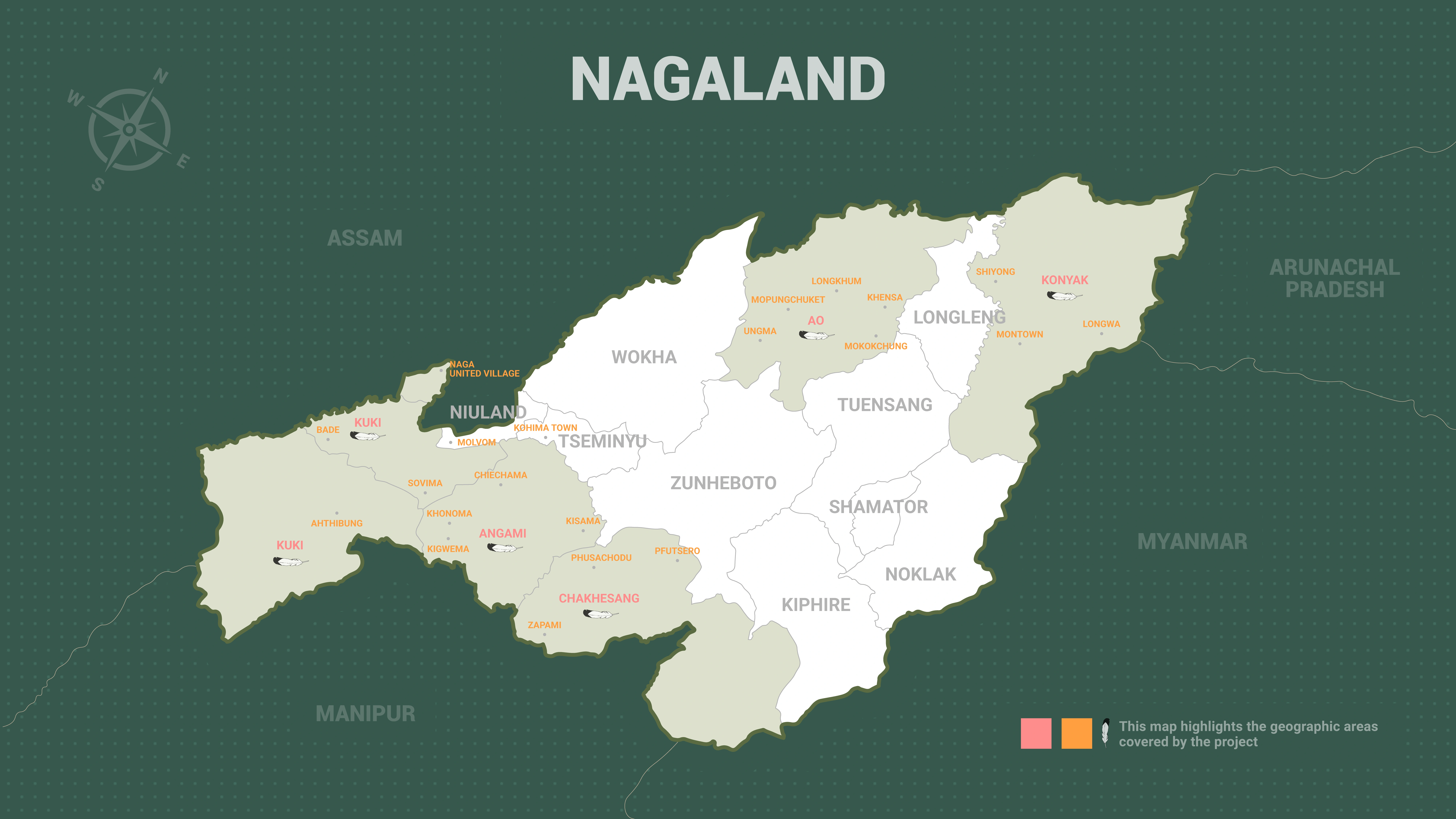
Tap to zoom in the map

.jpg)
.jpg)
.jpg)
.jpg)
.jpg)

 |
The nearest airport to Kohima is Dimapur Airport (DMU), located about 74 kilometers away from the city. Dimapur is well-connected to major cities like Kolkata, Guwahati, and Imphal by domestic flights. From Dimapur, you can hire a taxi or take a private vehicle to Kohima. The drive takes around 2 to |
 |
The closest railway station to Kohima is also in Dimapur. It is well-connected to other parts of India, including cities like Guwahati, Kolkata, and Delhi. Once you reach Dimapur, you can take a taxi or bus to reach Kohima. |
 |
Kohima is well-connected by road to neighboring states and cities. You can drive or take a bus from Dimapur, Guwahati (approximately 350 km away), or other nearby towns. The road from Dimapur to Kohima offers beautiful scenic views and takes about 2-3 hours by car. Several buses and taxis operate be |













.JPG)

.jpg)

