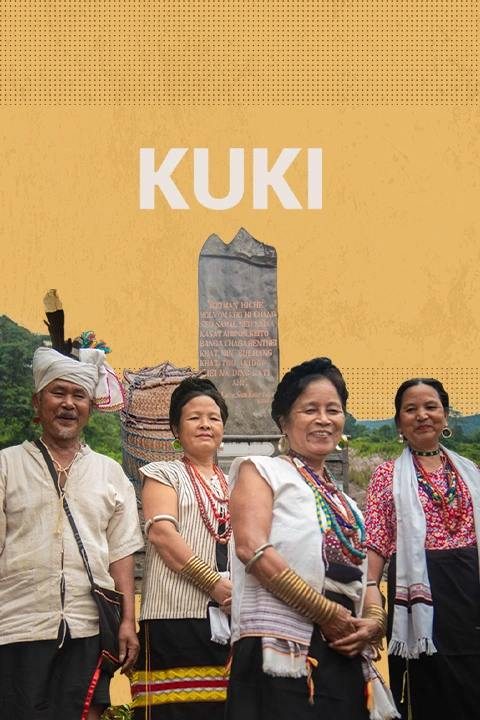
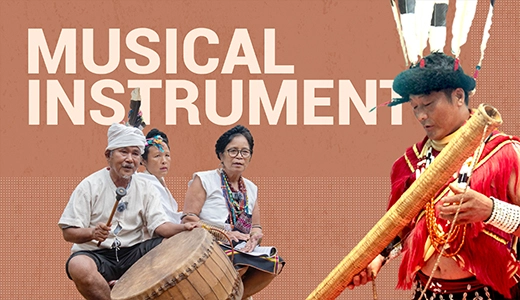
For the Kuki people, nature is more than just their environment—it is a living companion that has been with them for generations. Their myths and legends bring nature to life, with mountains that speak, rivers that tell stories, and forests that guard ancient secrets. Their existence is inseparable from nature, which is reflected in their oral traditions, folk songs, and dances. Each beat and step of their vibrant performances celebrates this deep bond, with colorful costumes mirroring the spirit of their traditions.
The Kuki tribe has a rich oral tradition that preserves their history, beliefs, and cultural identity. Elders pass down stories that shape the Kuki worldview, ensuring that their traditions remain alive. A recurring theme in their folklore is the origin myth, which explains their connection to the land and neighboring communities. One tale tells of mankind once living underground, where two brothers, the Khongjais (Kukis) and the Meiteis, quarreled over fabric. Their mother, in resolving the dispute, unintentionally gave the Meiteis more clothing, explaining the differences in their attire. Another legend recounts how the Meiteis cut Heimang trees while the Kukis cut plantain trees, symbolizing the paths that led to their distinct identities.
The Kuki warrior ethos is also deeply embedded in their folklore, with tales of brave warriors skilled in combat, highlighting values of courage, honor, and unity. Their spiritual beliefs are reflected in myths of gods and goddesses who govern different aspects of life, with folktales imparting moral lessons on kindness, humility, and gratitude.
Folk songs and dances play a crucial role in storytelling, performed during festivals and rituals to preserve traditions. Through these oral narratives, the Kuki people keep their heritage alive, strengthening their identity for generations to come.